

Self-Contained Systems
A good fit for smaller rooms when there is space to vent the heat and reach the unit.
Replacement
When repair stops making sense, we plan a replacement around your room and the finished space.
Repair-versus-replacement guidance for aging wine cooling equipment.
Replacement planning
The dead unit is the obvious problem. The replacement still has to handle load, heat, noise, drainage, and future service.
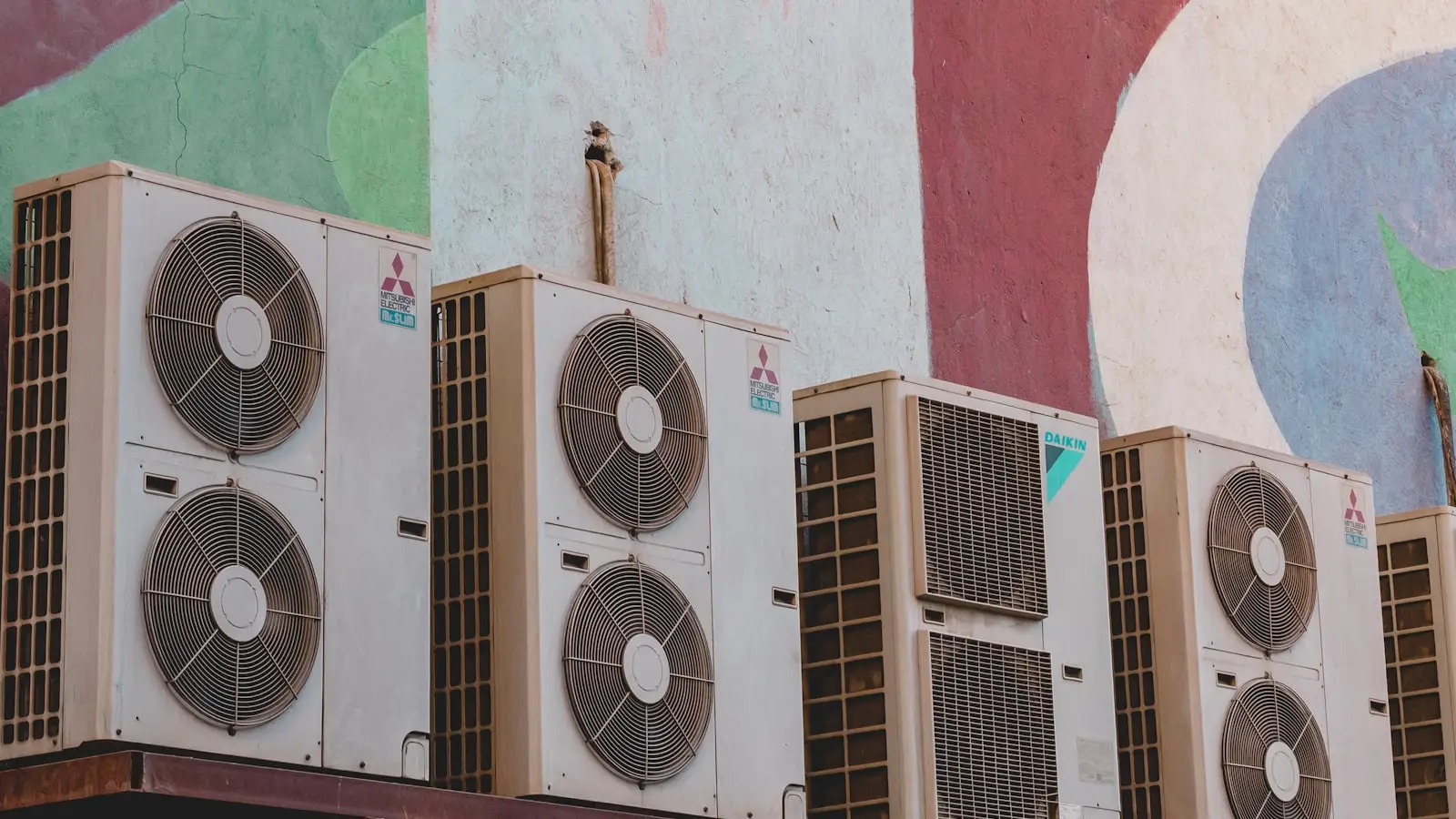
Replacement signs
Common reasons to start thinking about replacement.
Repeated breakdowns can cost more than replacing.
Noise or weak cooling can mean it was the wrong fit.
Finished rooms can bury the equipment, making service hard.
New glass, racks, or lighting can change the cooling load.
System choices
Equipment type should follow the room conditions, not the other way around.
A good fit for smaller rooms when there is space to vent the heat and reach the unit.

Quieter and more flexible, because the noisy part lives somewhere else.

Keeps the equipment out of sight, with clean supply and return air.
FAQs
Concise answers for owners comparing repair and replacement.
When the unit is old, parts are hard to find, repairs keep adding up, or it never fit the room.
Sometimes. We check the load, airflow, and drainage before assuming a like-for-like swap.
Installation, repair, maintenance, and emergency service from San Jose to South San Francisco.