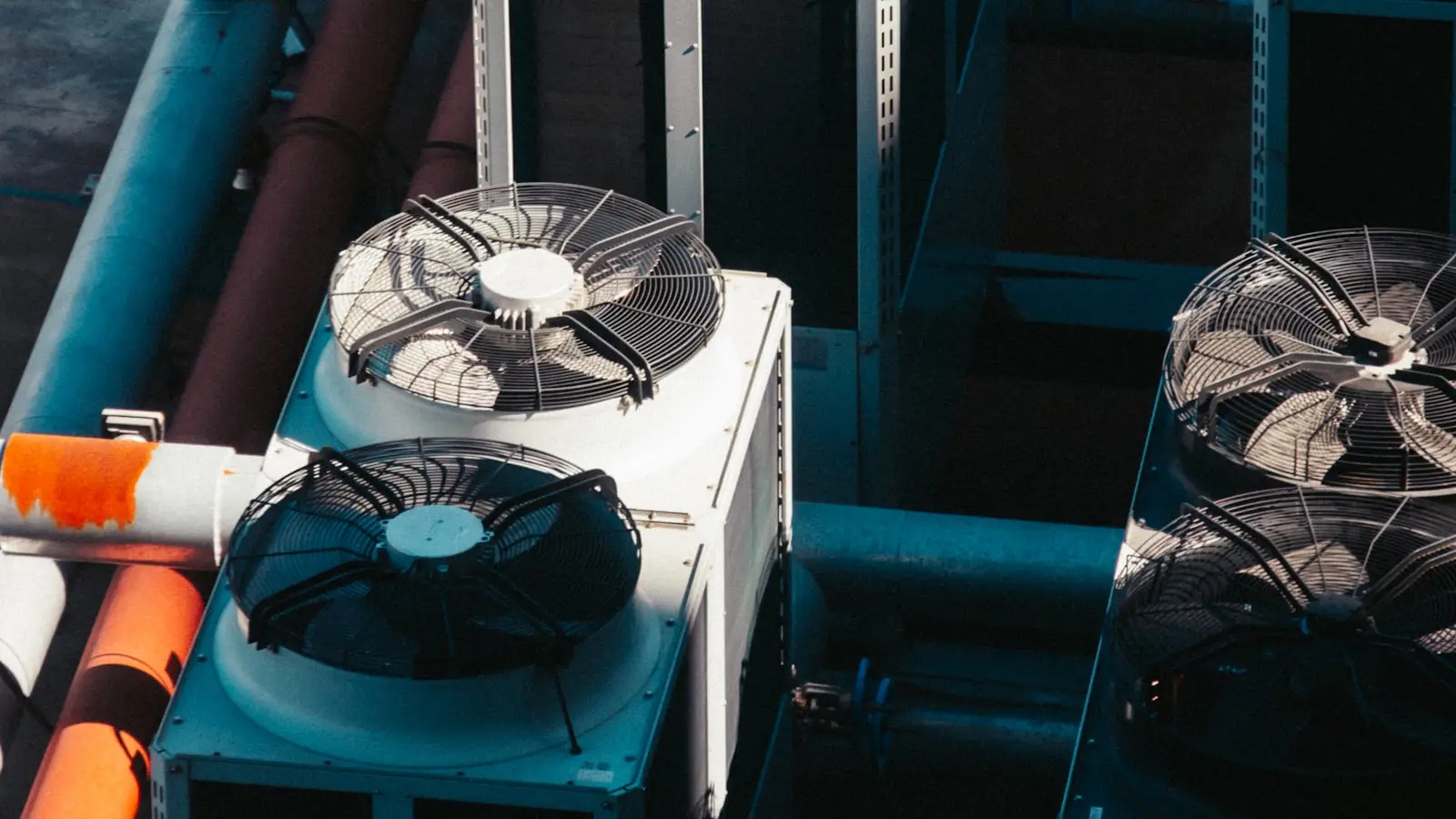
Can a Regular HVAC System Cool a Wine Cellar Properly?
A home HVAC system is usually not designed for wine cellar temperature, humidity, airflow, or control requirements.
Read guideResources
Short reads on warm rooms, choosing a system, maintenance, and replacement.
Guides for homeowners, contractors, designers, and builders working through wine-room cooling decisions.
Resource library
Guides for warm rooms, new installs, maintenance, and finished projects.
A home HVAC system is usually not designed for wine cellar temperature, humidity, airflow, or control requirements.
Read guide
Choosing wine cellar cooling in a finished home means balancing performance, access, noise, appearance, and construction limits.
Read guide
Quiet wine cellar cooling depends on equipment type, location, duct design, airflow speed, vibration control, and expectations.
Read guide
Equipment location affects airflow, noise, heat rejection, drainage, service access, and how well the wine room holds temperature.
Read guide
Every wine cellar cooling system has to move heat somewhere. Plan the heat rejection path before choosing equipment.
Read guide
Compare through-the-wall, split, and ducted wine cellar cooling by noise, access, heat rejection, cost, and room design.
Read guide
Wine cellar cooling size depends on heat load, glass, insulation, room use, equipment type, and where the heat goes.
Read guide
A practical checklist for planning wine cellar cooling before framing, glass, racks, electrical, and finishes lock in the design.
Read guide
A bad wine cellar temperature reading may come from sensor placement, airflow, calibration, controls, or uneven room conditions.
Read guide
Remodel work can disrupt wine cellar cooling through dust, blocked airflow, controls, drains, power, doors, glass, or ducts.
Read guide
A wine cellar system that never shuts off may be fighting heat gain, airflow restriction, dirty equipment, or low capacity.
Read guide
Warm or cold spots in a wine cellar usually point to airflow, sensor placement, glass, door leaks, or duct design issues.
Read guide
A musty wine cellar smell can point to standing water, high humidity, drain trouble, air leaks, or wet building materials.
Read guide
Slow recovery after opening a wine cellar door can reveal airflow, door sealing, heat load, or cooling capacity problems.
Read guide
A frozen wine cellar coil can point to airflow, refrigerant, controls, or room conditions. Do not just thaw it and move on.
Read guide
Water near a wine cooling unit can come from drains, frozen coils, condensation, or room leaks. Treat it as a warning sign.
Read guide
Weak airflow can cause warm spots, frozen coils, humidity issues, and poor temperature control in a wine cellar.
Read guide
Sweating on wine cellar doors, glass, or walls usually points to air leaks, cold surfaces, humidity, or system imbalance.
Read guide
A blocked or poorly routed condensate drain can cause water damage, odors, shutdowns, and unstable wine cellar cooling.
Read guide
Some wine cellar cooling noise is normal. New rattles, buzzing, grinding, or short cycling can point to service issues.
Read guide
Short cycling can mean control, airflow, sizing, refrigerant, or room-envelope problems in a wine cellar cooling system.
Read guide
If your wine cellar gets warm after a Bay Area heat wave, the cause may be heat load, airflow, condenser location, or equipment trouble.
Read guide
Steps to protect a warming wine room while you wait for emergency cooling service, without making the problem worse.
Read guide
Condensation on wine cellar glass, doors, or walls usually means warm air, cold surfaces, or system imbalance.
Read guide
High, low, or swinging humidity in a wine cellar can point to air leaks, equipment issues, or room construction problems.
Read guide
A practical first-check guide for Bay Area wine rooms that are running warm, from airflow and doors to equipment issues.
Read guideInstallation, repair, maintenance, and emergency service from San Jose to South San Francisco.